
ED (Erectile Dysfunction): Causes, Symptoms and Treatment Options
ED (Erectile Dysfunction) is a common men’s health condition that affects a person’s ability to achieve or maintain an erection suitable for sexual activity. It can happen occasionally or become a recurring problem that affects confidence, relationships and quality of life.
Although many people find it difficult to discuss erectile dysfunction, it is a recognised medical condition. Furthermore, ED can sometimes indicate an underlying health issue that needs attention.
Understanding the causes, symptoms and available treatment options is an important first step. This guide explains ED (Erectile Dysfunction) in simple language and answers common questions about men’s sexual health.
What Is ED (Erectile Dysfunction)?
ED (Erectile Dysfunction) refers to the ongoing difficulty of achieving or maintaining an erection firm enough for satisfactory sexual activity.
An occasional erection problem does not necessarily mean someone has erectile dysfunction. However, repeated difficulties may indicate a condition that deserves medical assessment.
ED can affect men of different ages. Although the likelihood increases with age, erectile dysfunction is not an inevitable part of getting older.
How Does an Erection Normally Work?
An erection involves the brain, nerves, blood vessels, hormones and psychological responses working together.
During sexual stimulation, signals help increase blood flow into the penis. The surrounding tissues then help maintain the erection.
However, problems affecting any part of this process may contribute to erectile dysfunction.
Is Erectile Dysfunction Common?
Yes. ED is a common health concern among adult men. Its frequency increases with age, although younger men can also experience erection difficulties.
In addition, stress, lifestyle habits and certain medical conditions can contribute to the problem.
Common Symptoms of Erectile Dysfunction
ED symptoms can vary from person to person. Some men experience occasional difficulties, while others notice persistent problems.
Common signs include:
- Difficulty achieving an erection.
- Trouble maintaining an erection during sexual activity.
- Erections that do not feel firm enough for sexual activity.
- Reduced confidence related to sexual performance.
- Anxiety or stress associated with erection difficulties.
When Should You Be Concerned About ED?
Occasional erection difficulties can happen for several reasons, including tiredness, stress or alcohol consumption.
Nevertheless, repeated or ongoing symptoms deserve attention. A healthcare professional can help identify possible causes and recommend appropriate care.
What Causes ED (Erectile Dysfunction)?
Erectile dysfunction can result from physical, psychological or lifestyle-related factors. In many cases, more than one factor contributes to the condition.
1. Physical Health Conditions
Certain medical conditions can affect blood circulation, nerve function or hormone levels.
Common examples include:
- Diabetes.
- High blood pressure.
- Cardiovascular disease.
- High cholesterol.
- Obesity.
- Hormonal disorders.
- Certain neurological conditions.
Why Does Diabetes Increase the Risk of ED?
Diabetes can damage blood vessels and nerves over time. Consequently, it may interfere with the processes needed to achieve and maintain an erection.
Managing blood sugar levels and attending regular medical appointments can help address broader health risks.
2. Psychological Causes
Mental and emotional health can also influence sexual function.
Common psychological factors include:
- Stress.
- Anxiety.
- Depression.
- Relationship difficulties.
- Performance anxiety.
- Emotional distress.
For example, worrying about sexual performance may make it harder to relax during intimacy. As a result, erection difficulties can sometimes become a repeated concern.
3. Lifestyle Factors
Daily habits can influence circulation, general health and sexual function.
Factors that may increase the risk of ED include:
- Smoking.
- Excessive alcohol consumption.
- Limited physical activity.
- Poor sleep.
- Unbalanced nutrition.
- Long-term stress.
Fortunately, improving certain lifestyle habits may support overall health and help reduce some risk factors.
4. Medication-Related Factors
Some prescription medicines can affect sexual function. These may include certain medicines used to manage blood pressure, depression and other health conditions.
However, never stop taking prescribed medication without speaking to your healthcare professional. They can assess possible side effects and discuss suitable alternatives when appropriate.
How Is Erectile Dysfunction Diagnosed?
A healthcare professional usually begins by discussing symptoms, medical history and general health.
The assessment may include a physical examination and selected tests, depending on the person’s circumstances.
Medical History and Symptoms
A clinician may ask questions about:
- When the erection difficulties began.
- How frequently symptoms occur.
- Existing medical conditions.
- Current medicines and supplements.
- Lifestyle habits.
- Emotional health and relationship concerns.
These details help identify possible causes and guide further assessment.
Blood Tests and Other Assessments
Depending on the symptoms, a healthcare professional may recommend blood tests to assess factors such as blood sugar, cholesterol or hormone levels.
Additional assessments may be necessary in certain cases. Therefore, diagnosis should consider the person’s overall health rather than relying on symptoms alone.
ED Treatment Options
Treatment for ED depends on its cause, severity and the person’s general health. Fortunately, several evidence-based options are available.
A healthcare professional can explain the potential benefits, risks and suitability of each approach.
1. Lifestyle Improvements
Lifestyle changes may help improve general health and address certain risk factors associated with erectile dysfunction.
Helpful steps may include:
- Maintaining regular physical activity.
- Eating a balanced diet.
- Managing body weight.
- Quitting smoking.
- Limiting alcohol.
- Improving sleep quality.
- Reducing ongoing stress.
Furthermore, managing conditions such as diabetes and high blood pressure can support cardiovascular health.
2. Psychological Support and Counselling
When stress, anxiety, depression or relationship concerns contribute to ED, counselling may help.
A qualified mental health professional can help address emotional factors and develop strategies for managing performance anxiety.
In addition, couples counselling may support communication and reduce relationship-related pressure.
3. Prescription ED Medicines
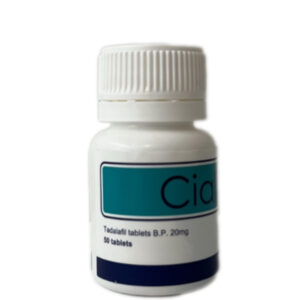
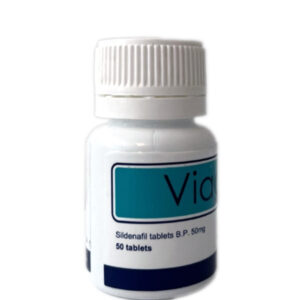
Certain prescription medicines can help improve erectile function. One recognised group is phosphodiesterase type 5 (PDE5) inhibitors.
Examples include sildenafil and tadalafil. These medicines work by supporting blood flow to the penis during sexual stimulation.
Important Information About Prescription ED Medicines
Prescription ED medicines are not suitable for everyone. They can interact with other medicines and may cause side effects.
For example, PDE5 inhibitors can cause a dangerous drop in blood pressure when combined with nitrate medicines. Therefore, medical assessment is essential before treatment.
Never purchase prescription medicines from unverified sellers or use someone else’s medication.
4. Other Medical Treatments
Some people may benefit from other treatment options when oral medicines are unsuitable or ineffective.
Depending on the diagnosis, a specialist may discuss vacuum erection devices, prescribed injectable treatments, or other medical interventions.
Each option has specific benefits, risks and suitability requirements. A qualified healthcare professional should explain these before treatment begins.
How Can You Support Better Sexual Health?
Good sexual health is connected to general physical and emotional well-being. Although lifestyle changes do not guarantee a cure for ED, they can support overall health.
Build Healthy Daily Habits
Regular movement, balanced meals and adequate sleep can support cardiovascular health.
Similarly, avoiding smoking and limiting alcohol may help reduce certain risk factors associated with erectile dysfunction.
Manage Stress and Emotional Health
Long-term stress can affect sexual confidence and performance. Therefore, relaxation techniques, open communication and professional support may be useful.
Attend Regular Health Check-Ups
Regular medical appointments can help identify conditions such as diabetes, high blood pressure and cardiovascular disease.
Early assessment may also help uncover health problems that contribute to ED.
Frequently Asked Questions About ED (Erectile Dysfunction)
1. What does ED mean?
ED stands for Erectile Dysfunction. It describes ongoing difficulty achieving or maintaining an erection firm enough for satisfactory sexual activity.
2. Can younger men experience erectile dysfunction?
Yes. Younger men can experience ED due to stress, anxiety, lifestyle factors, medical conditions or medication-related effects. Age alone does not determine whether someone can develop the condition.
3. Is erectile dysfunction a sign of another health problem?
Sometimes. ED can be associated with diabetes, high blood pressure, cardiovascular disease and other medical conditions. Therefore, persistent symptoms deserve medical assessment.
4. Can stress cause ED?
Yes. Stress, anxiety and emotional distress can interfere with sexual function. In
ED (Erectile Dysfunction)
ED (Erectile Dysfunction)